Best Production Design & Best Sound
The game’s in the name! I love movies and television, and I always try to look for the good in everything while also respecting the amount of work that goes into creating a piece of content. After years of reviewing for the Cape Cod Chronicle, I decided to start my own self-published review website where I can continue to build my skills and experience as a critic while also chronicling my love and appreciation for new and older films alike.
Best Production Design & Best Sound
“Models Carl and Yaya are invited for a luxury cruise with a rogues’ gallery of super-rich passengers. At first, all appears Instagrammable, but the cruise ends catastrophically and the group find themselves marooned on a desert island.”
As one might expect, Triangle of Sadness is nowhere near subtle with its messages. Everything has a point — the repeating motif of buzzing flies, the lavish production design, and the incessant use of the cell phone camera shutter sound effect, among pretty much everything else — which is impressive, to say the least. Though that care on the production side is present throughout the entire film, that effort becomes more noticeable as the events progress, eventually escalating to the ridiculous and absurd heights I expected from a two-and-a-half hour awards contender. Is it this year’s Parasite? Well, you don’t win the Palme d’Or for nothing, but it seems like these days you’re most likely to win if you’re a movie about how terrible and crazy rich people can be — especially when they come into direct conflict with those of a lower tax bracket. It can be tough to categorize exactly what the film’s attitude towards its characters is, but what’s crystal clear is that they don’t deserve salvation. It does not reject capitalism or socialism, but doesn’t endorse them either, giving us a statement beyond the par-for-the-course conclusion that “rich people are awful.” Despite how viscerally uncomfortable and explicitly gross it can get, that’s the way the world works…and we all know how difficult that is to change.
Read my review of Triangle of Sadness here.
“Set more than a decade after the events of the first film, learn the story of the Sully family (Jake, Neytiri, and their kids), the trouble that follows them, the lengths they go to keep each other safe, the battles they fight to stay alive, and the tragedies they endure.”
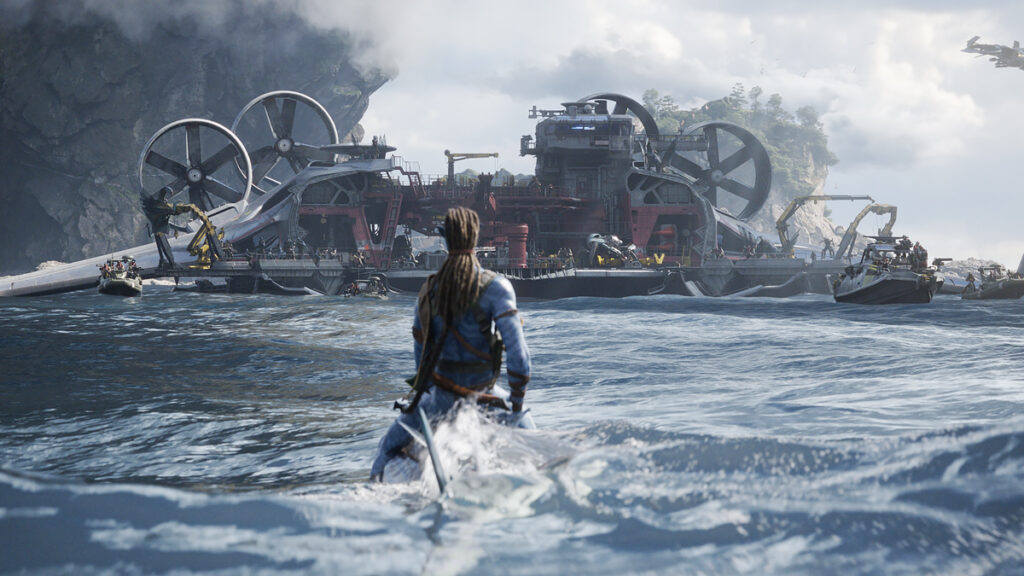
It would be hearsay to claim that Avatar: The Way of Water is not incredibly beautiful to look at. Every frame is rendered meticulously, and because most of what we’re seeing on-screen is composed entirely of visual effects, it’s unequivocally awe-inspiring. I also had the opportunity to see it in 3D, a medium I’m not always the biggest fan of — in fact, I was worried about subjecting myself to it for the three and a half hours this movie runs — but it seemed effortless more than anything else, like the 3D is a natural part of the world that Cameron has created. The biggest letdown was an issue that plagued the first Avatar as well: I couldn’t, for the life of me, care about most of these characters. They’re not developed nearly well enough, despite the inordinate amount of time we spend with them. For example, Jake Sully and Neytiri’s children are a major focal point of the film, and I couldn’t tell you any of their names without looking it up. The Way of Water’s story, by itself, is very interesting, but the characters are still not compelling enough to merit my investment. You’d think that after a cumulative six hours with them, I would have more of a stake in this world, but the sad truth is that the more there are, the harder it is to care. Regardless, Avatar: The Way of Water is a visual spectacle on every conceivable level, yet there’s still something lacking here in the human (or, in this case, the Na’vi) factor. Unfortunately, it’s just about as testosterone-fueled and vaguely offensive as the original, and absolutely more indulgent than it should be. A solid 192 minutes is still 192 minutes.
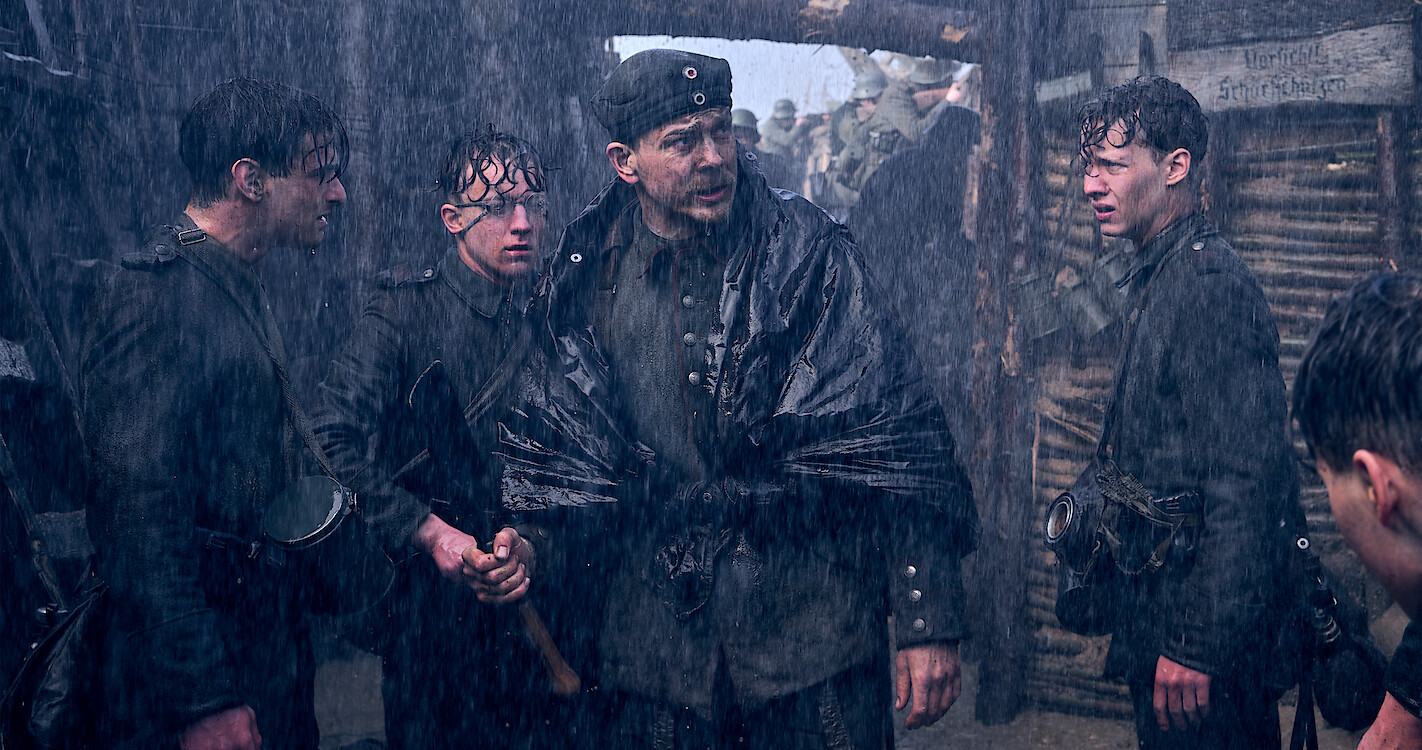
Not since (ironically) 1917 has a film immersed me to the extent that it is nigh-impossible to tell what is a visual effect and what isn’t. Sure, it may be obvious that a tank rolling over numerous people through the trenches (among other war atrocities) is CGI, but it’s so well-assimilated into the world that All Quiet creates that it’s easy to believe the verity of everything you’re seeing…as awful as it is.
Avatar revolutionized digital filmmaking in 2009, and nothing less was expected from its blockbuster sequel. I wrote in my review that “it would be hearsay to claim that Avatar: The Way of Water is not incredibly beautiful to look at. Every frame is rendered meticulously, and because most of what we’re seeing on-screen is composed entirely of visual effects, it’s unequivocally awe-inspiring. I also had the opportunity to see it in 3D, a medium I’m not always the biggest fan of — in fact, I was worried about subjecting myself to it for the three and a half hours this movie runs — but it seemed effortless more than anything else, like the 3D is a natural part of the world that Cameron has created.”